
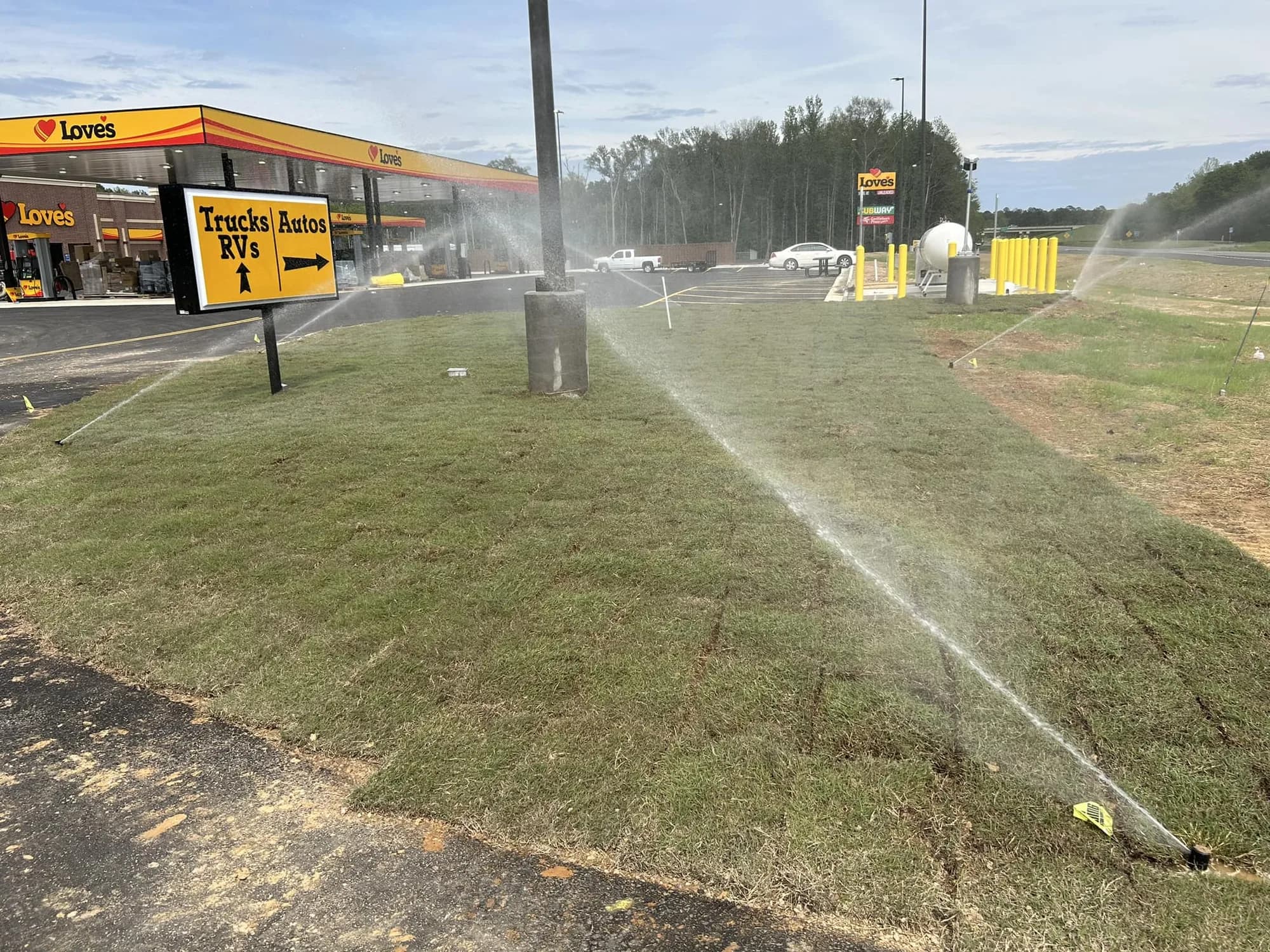
Quick answer: most homes in Northeast Louisiana don't need a full compressed-air "blowout" like irrigation systems up north, because buried lines sit below our usual frost depth. But the above-ground parts — especially the backflow preventer — can crack in a hard freeze. Insulate it, shut the system down before a freeze, and set your controller to off or rain mode for the winter.
Every few years, Northeast Louisiana gets a freeze that reminds everyone our winters aren't that mild. When temperatures stay below freezing overnight — or for days, like the storms of recent winters — water sitting inside exposed pipes and valves expands and splits them. The result is a costly repair and, sometimes, a geyser in the front yard when things thaw.
What's actually at risk
- The backflow preventer. That brass assembly sticking out of the ground near your house or meter is the most vulnerable part of the system. It's exposed to the air and full of water.
- Exposed pipe running up to the backflow device or along a wall.
- Valves and heads near the surface in shallow installations.
- The controller, if it's outdoors and not rated for weather.
Buried PVC lines are rarely the problem here. It's the exposed parts that crack.
A simple winter checklist
- Switch the controller to off or rain mode. Bermuda, St. Augustine, Zoysia, and centipede lawns go dormant in winter and need very little water. Running zones on a cold morning can also coat sidewalks and driveways with ice.
- Insulate the backflow preventer. Use an insulated pouch or cover made for backflow devices, or wrap it with pipe insulation and a waterproof outer layer. Wrap any exposed pipe leading to it, too.
- Before a hard freeze, shut off the irrigation supply. Close the shut-off valve that feeds the system (often in the ground near the backflow device).
- Drain what you can. With the supply off, open the test cocks on the backflow device slightly to relieve pressure and let water out, then close them back to halfway. If you're not sure which valves are which, ask us before you touch them.
- After the freeze, check before you restart. Turn the water back on slowly and look for leaks, spraying, or water pooling around the device.
Water manually during dry spells
Winter droughts happen. Evergreen shrubs, new plantings, and newly laid sod still need moisture, especially before a freeze — well-watered plants handle cold better than dry ones. If you go about a week or two without rain, give beds and new plantings a deep drink during the warmest part of a mild day.
Spring start-up is just as important
When you turn the system back on in March, run each zone and look for broken heads, misaligned sprays, and leaks. It's also the perfect time to add smart upgrades: rain sensors, weather-based controllers, and drip zones for beds all cut water waste.
Why it pays to use a licensed irrigation contractor
The backflow preventer is what keeps irrigation water from being pulled back into your home's drinking water. Repairs and replacements should be done right and tested. Clint holds a Louisiana Irrigation Contractor License (#0662), and our team designs, installs, and services sprinkler and irrigation systems across Ruston, Monroe, West Monroe, and the rest of Northeast Louisiana.
Need your system checked before winter — or repaired after a freeze? Contact us and we'll get it running right.
Frequently asked questions
Do sprinkler systems in Louisiana need to be blown out like in northern states?+
Usually not. Most buried lines in Northeast Louisiana sit below our typical frost depth. The parts at risk are above ground — the backflow preventer, exposed pipe, and valves near the surface.
Should I turn my sprinklers off in winter?+
Mostly, yes. Dormant warm-season lawns need very little water. Switch your controller to off or rain mode and water manually only during dry spells.
What should I do if my backflow preventer froze and cracked?+
Shut off the irrigation supply valve right away and call a licensed irrigation contractor. Backflow devices protect your drinking water, so repairs should be done and tested properly.
- #irrigation
- #sprinkler system
- #freeze protection
- #backflow preventer
- #ruston la
Written by
Clint SantOwner of Creative Landscapes and a licensed landscape horticulturist (LSU B.S., Auburn M.S. Horticulture) with 20+ years designing and building landscapes across Northeast Louisiana.
Keep reading
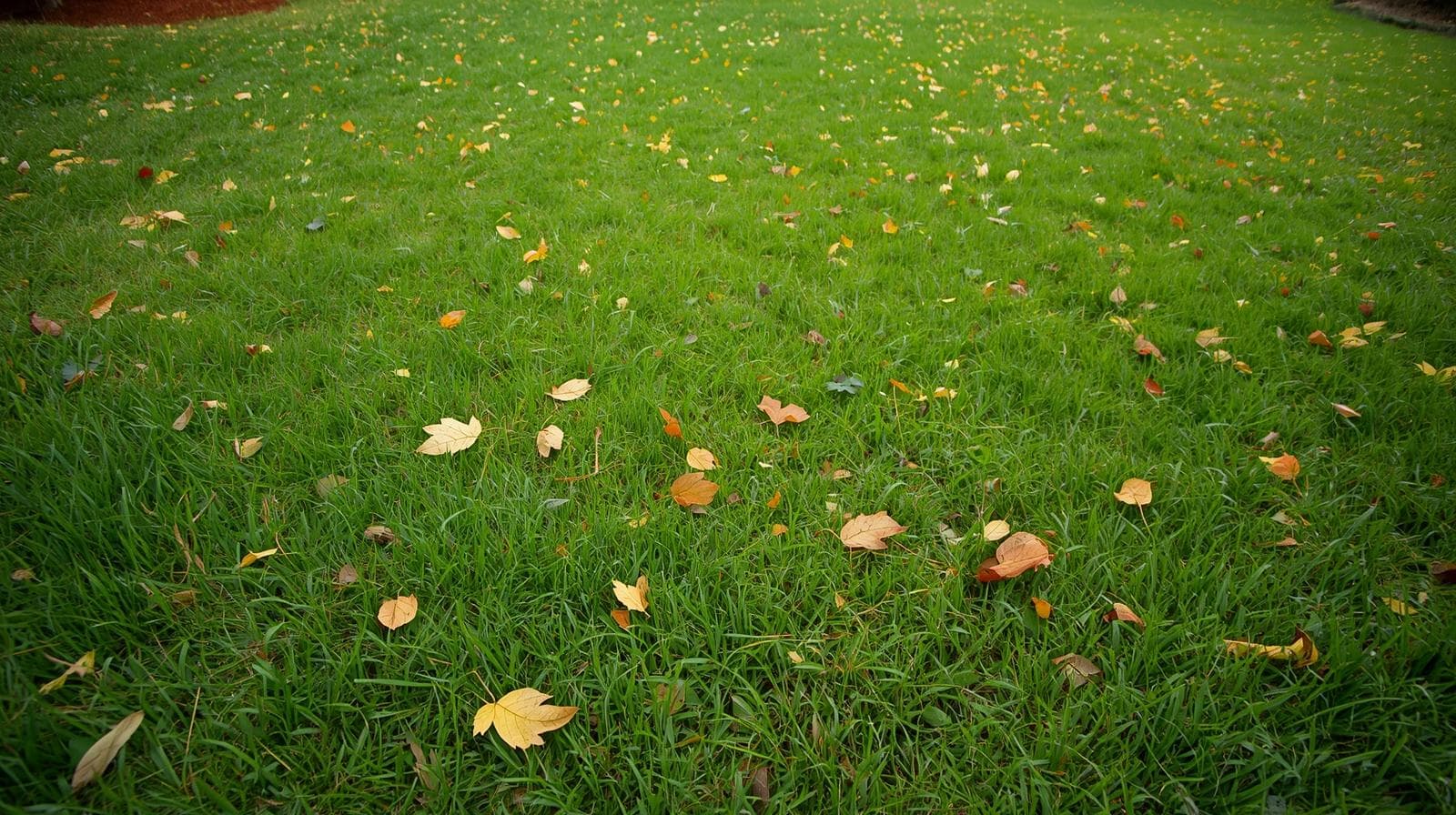
Ruston LA Landscaper Guide to Fall Fertilization and Soil Care
🍂 Ruston LA Landscaper Guide to Fall Fertilization and Soil Care. Learn expert fertilization tips, soil care practices, and fall lawn maintenance strategies for a thriving spring lawn.
Read articleLandscape Lighting Ideas for Longer Fall Nights in West Monroe
Once the time changes, most of your time at home is after dark. These landscape lighting ideas add safety, curb appeal, and ambiance without the glare.
Read article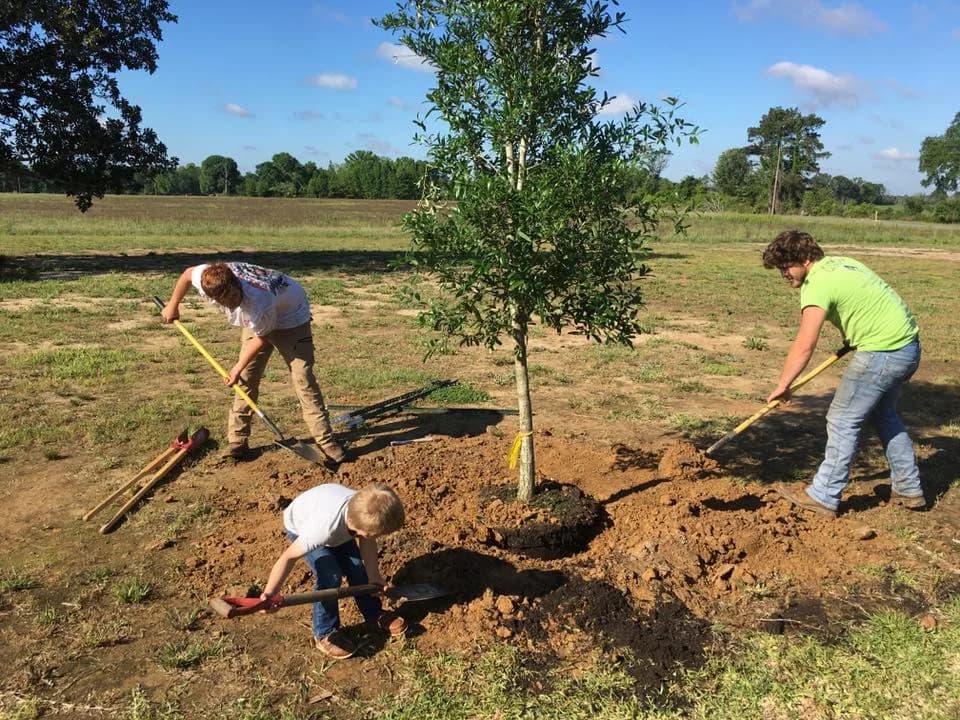
Why Fall Is the Best Time to Plant Trees in Northeast Louisiana
Spring gets the attention, but fall is when trees planted in Northeast Louisiana get the head start they need. Here's how to pick, plant, and care for a new tree this season.
Read article
Ready to see what your yard could be?
Schedule a free consultation. Clint will walk your property and give you honest recommendations — no pressure.